

By Priyanka Iyer
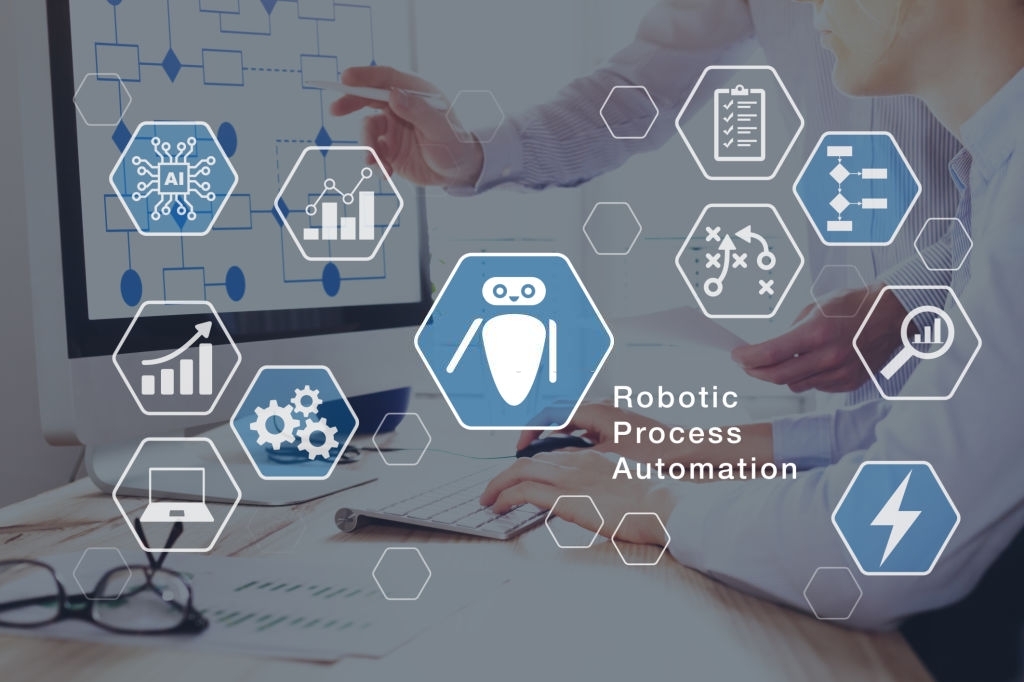
In today’s times of digital ubiquity, the futuristic fantasy fiction of robots performing human tasks is coming alive with the Robotic Process Automation technology, where human labour is substituted with rule-based automated processes. From logging into applications, managing and accessing huge data volumes, connecting to system APIs, this technology makes it possible to automate and standardize any high volume, business rules-driven, redundant process.
Robotic Process Automation can be integrated within any business, and enable higher efficiencies, cost savings, lower errors and effective regulatory compliance. It can enable investment firms to offload time-consuming, repetitive processes to software bots, and helps them focus on strategic processes to grow their businesses.
Benefits of incorporating Robotic Process Automation
The investment industry has begun to incorporate AI to transform its operation model, and it is no doubt that Robotic Process Automation (RPA) will define its future. RPA not only enhances the way firms in the financial sector evaluate securities and choose investments, but also improve internal processes.
The power of RPA and Machine Learning can be used for better and faster predictions by analysing data sets, thereby bringing efficiency across the board for firms and customers alike. In fact, RPA has been fast adopted by asset management and hedge funds firms for the same reasons.
Here’s a look at some of the benefits of RPA for the investment industry:
- Better returns with effective data management – Using Robotic Process Automation, investment firms have brought the two worlds of active and passive investing together. RPA eliminates manual labour, and can make data easily accessible. Moreover, the data obtained is purely based on practical insights, which can enable portfolio managers to pitch a mix of high-yielding avenues to customers, in an unbiased manner.
- Reduced operational costs – Once integrated, Robotic Process Automation can offer smooth operations for years to come. Thus, this one-time investment can enable financial institutions to process information and offer essential insights. Due to elimination of manual labour, RPA can also reduce the costs of human labour.
- Higher efficiencies and easy customer access – While fund managers and specialists work in shifts, RPA can go on for hours without a break, and more importantly, without losing its efficiency. It can also react to the market instantly. This aspect makes RPA a valuable contender for the investment industry. Not only does it offer support 24/7 to customers and analysts around the globe, but also ensures no lag in adapting to changes.
With its speed in computation, prediction, and suggestion, it is an essential aspect of the financial landscape already and most definitely in the future.
What is the future of Robotic Process Automation?
At the outset, Robotic Process Automation may appear to be fit for routine tasks, which don’t involve creativity, judgment, persuasion or problem-solving abilities. However, the inception of IBM’s Watson became a game-changer, with its cognitive capabilities. Since then, the business process automation industry has been integrating cognitive technologies in Robotic Process Automation, so that the uses of this technology are potentially limitless.
Keeping these perspectives in mind, it is easy to see how RPA can transform everything from back-office processes to front-office assessments in the investment industry. From automated insights, on-demand reporting and identifying non-intuitive relationships between investments and market indicators to predicting growth opportunities and enabling smart client outreach, RPA is truly changing the game.
Thus, this technology is all set to evolve for today’s rewired businesses, and become a competitive advantage in meeting the demands of a digital world. The widespread application of this technology would soon go beyond routine work, to enable automation of advanced intelligent processes that can augment the levels of human efforts in carrying out highly advanced tasks.
